
Curious about your child’s communication?
This guide will help you spot the small signs early
-
Articulation is how children produce speech sounds. When sounds are unclear or delayed, it can affect confidence, friendships, and learning.
Have you noticed…
Your child’s speech is sometimes hard for others to understand - or even youat times
They get frustrated when others can’t understand them
They leave off sounds (e.g., “ca” for cat, “poon” for spoon)
They swap sounds (e.g., “wabbit” for rabbit, “tat” for cat)
Their speech sounds “younger” than other children their age
Teachers or family members often ask them to repeat themselves
-
Expressive language is how children use words, sentences, and grammar to share ideas.
Have you noticed…
Your child struggles to find the right words
They use short or simple sentences for their age
They mix up grammar (e.g., “He goed”, “Me want that”)
They have trouble telling stories or explaining what happened
They rely on gestures more than wordscription text goes here
-
Receptive language is how children understand words, questions, and instructions.
Have you noticed…
Your child often says “What?” or “Huh?”
They need instructions repeated or broken down
They struggle to follow multi-step directions
They seem unsure during group activities
They misunderstand questions or take things very literally
-
Social communication is how children connect with others, including conversation skills, play skills, and understanding social rules.
Have you noticed…
Your child finds it hard to join play or conversations
They don’t always read social cues (tone, facial expressions, personal space)
They talk “at” others rather than “with” them
They struggle with turn‑taking or sharing ideas
They prefer routines and get overwhelmed by changes
They find it tricky to make or keep friends
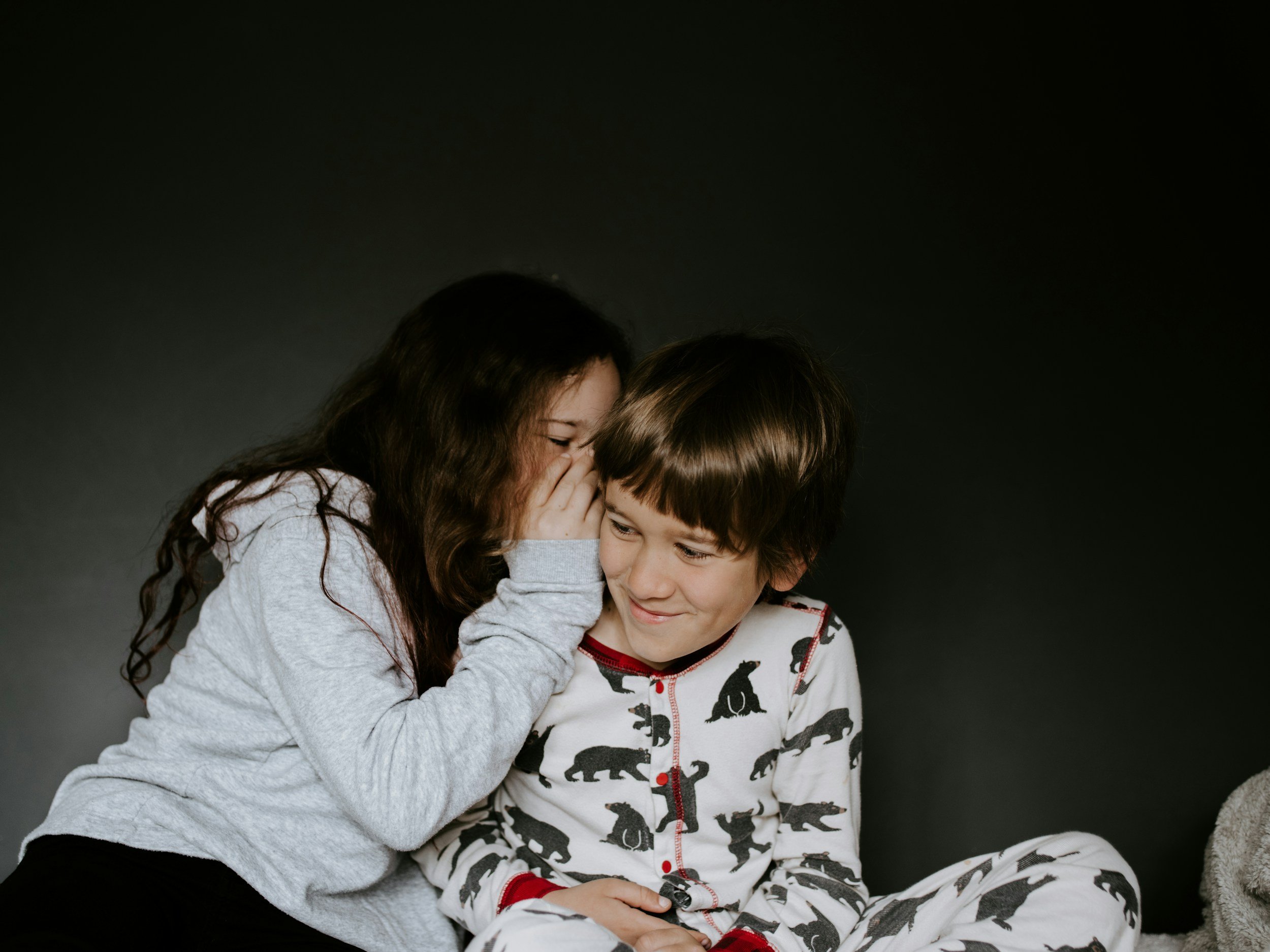
Supporting your child’s Speech & Language
-
Identifying specific sounds your child finds tricky to say as well as understanding patterns in your child’s speech (e.g., saying “tat” for “cat”, “poon” for “spoon”).
-
We use a mix of both standardised and informal assessments to look at how many words your child says, their vocabulary, grammar, sentence structure, storytelling, and understanding instructions. We also look at their social skills ton identify how your child is interacting with others and how we can support them i.e., conversation skills, play skills, social norms
-
Early communication assessments For toddlers and young children developing first words, gestures, and early language.
-
Stuttering is when speech is interrupted by repeats, prolongations, or blocks. We assess speech fluency, communication skills, and the impact on your child's everyday communication.escription
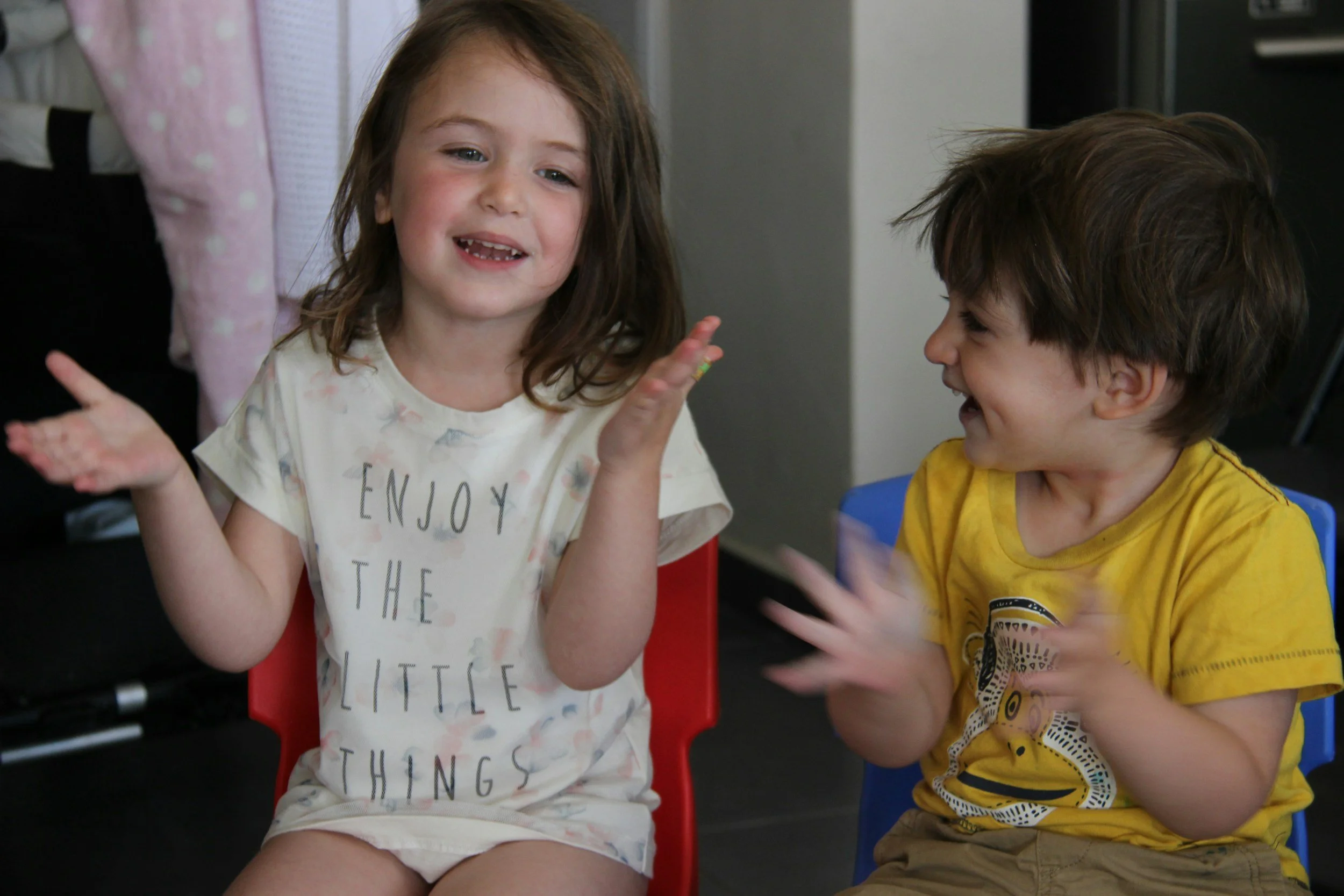
Therapy That’s Fun, Functional, and Evidence‑Based
I provide engaging, evidence-based speech pathology services for children of all ages. Therapy is tailored to your child’s individual strengths, interests, and goals, creating a positive and supportive environment where they can develop their communication skills with confidence.
Speech Sounds (Articulation and Phonology): Supporting children to produce speech sounds clearly and learn the sound patterns needed for effective communication.
Language Development: Building vocabulary, grammar, sentence structure, comprehension, and storytelling skills to help children communicate successfully at home, school, and in the community.
Stuttering Support: Helping children who stutter develop confidence in their communication. Therapy focuses on reducing the impact of stuttering, supporting positive speaking experiences, and empowering children to express themselves freely.
Social Communication: Developing skills for conversation, play, turn-taking, friendship building, emotional understanding, and navigating social interactions.
Early Language Intervention: Supporting infants, toddlers, and preschool-aged children as they develop early communication skills, understanding, and first words.
Therapy Tailored to Your Child
Every child learns differently. Therapy sessions are designed around your child’s interests—whether they enjoy dinosaurs, animals, creative activities, games, cooking, or imaginative play—to make learning engaging, meaningful, and motivating.
Together, we create achievable goals and celebrate progress along the way, helping your child build the skills and confidence they need to communicate successfully.